Behavior Analysts Working From Home: Compliance Considerations for ABA Agencies
Feb 05, 2026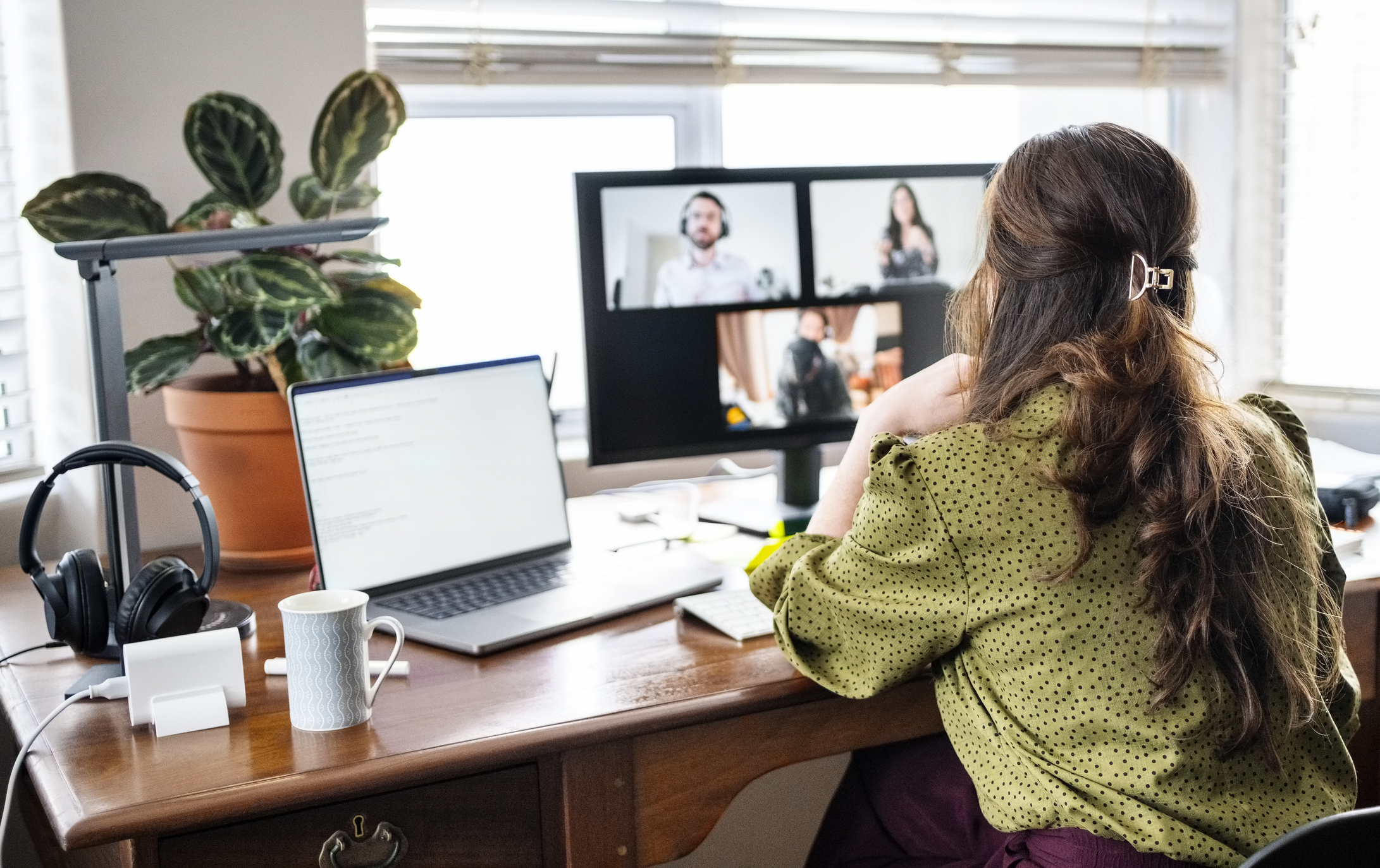
Remote work has become increasingly common in applied behavior analysis (ABA), especially for behavior analysts completing documentation, treatment planning, supervision activities, and administrative tasks from home. While working from home can improve flexibility and staff retention, it also introduces unique compliance risks related to client privacy, documentation standards, supervision practices, and data security.
ABA agencies that allow behavior analysts to work remotely must ensure they have appropriate policies, training, and auditing and monitoring systems in place to support compliant work-from-home practices. Without clear expectations and oversight, agencies may face increased exposure to significant compliance risks.
To help agencies get started, we’ve created a free internal resource that walks through key compliance considerations related to remote work. It’s designed to help leadership teams quickly identify gaps before they turn into compliance problems or corrective action plans.
This article expands on those concepts and outlines what ABA agencies should have in place to support behavior analysts working from home in a compliant, consistent, and defensible way.
When the Office Is Home: Supporting Remote Behavior Analysts the Compliant Way
Remote work isn’t a temporary perk anymore. For many ABA agencies, behavior analysts are routinely completing documentation, treatment planning, supervision activities, and administrative work from home.
That flexibility can be a huge win for work-life balance and retention. But it also changes the compliance landscape in ways agencies can’t afford to overlook.
The goal isn’t to eliminate remote work. It’s to make sure it’s intentional, structured, and defensible.
Here’s what agencies should have in place to support behavior analysts working from home compliantly.
Start With Clear, Written Policies
If remote work is happening, it needs to be clearly addressed in written policy. When expectations live only in emails, verbal agreements, or “that’s how we’ve always done it,” agencies lose consistency and defensibility.
Clear policies matter because they:
-
Set the same expectations for all staff
-
Provide a foundation for training and auditing
-
Demonstrate organizational due diligence and oversight if practices are ever questioned
At a minimum, remote work policies should address:
What work can be done from home
Policies should clearly define which tasks are approved for remote completion and which are not. This helps prevent staff from unintentionally completing sensitive activities in inappropriate settings.
Workspace and privacy expectations
Home environments introduce risks that don’t exist in clinics. Written expectations around private workspaces at home, screen visibility, use of headphones, and physical safeguards (like locking containers for any printed client information) help reduce the risk of unauthorized access to PHI.
Technology and device requirements
Agencies should specify approved devices, systems, and network requirements that must be followed when employees work from home. This reduces the likelihood of PHI being accessed on shared computers, across unsecured Wi-Fi, or through personal devices without adequate safeguards.
Documentation timing and accountability
Remote work can blur work hours. Clear documentation timelines help reduce late entries, batch note completion, and documentation that doesn’t align with services delivered.
If expectations aren’t written down, they’re difficult to enforce and even harder to defend.
Train for the Reality of Working From Home
Training can’t stop at “read the policy and sign.” Behavior analysts need to understand how compliance risks actually show up in home-based work.
Training matters because staff often don’t recognize risk when it feels routine. What seems harmless at home can quickly become a compliance issue in practice.
Effective training should include:
Privacy and security risks specific to home settings
Smart devices, printers, roommates, family members, and home offices all introduce privacy and security risks. Training should help staff recognize and mitigate everyday exposures.
Documentation expectations in remote workflows
Agencies should stress that documentation standards don’t change based on location. Accuracy, timeliness, and alignment with services still apply.
Tele-supervision and virtual meetings
Behavior analysts need clarity on approved platforms, consent requirements, and how to ensure conversations aren’t overheard or recorded inappropriately.
How and when to report concerns
Staff have to know how to report privacy concerns, technology issues, or suspected breaches that occur while working remotely. Early reporting significantly reduces agenciees' downstream risk.
When training reflects real-world scenarios, staff are far more likely to follow expectations consistently.
Audit and Monitor What Actually Matters
Auditing and monitoring aren’t just about catching mistakes. They’re also about confirming that policies, expectations, and training are being followed in practice, and reinforcing those behaviors when that's the case.
For remote work, effective monitoring focuses on alignment rather than micromanagement.
Agencies should conider auditing and monitoring:
Policy adherence
Confirm that staff working from home are completing only tasks approved for remote work and following workspace and technology expectations.
Documentation behavior
Review time stamps, late entries, batch completion patterns, and repeated language for notes completed from home offices. These trends often reveal whether documentation expectations are being followed in remote settings.
System access and usage
Access logs can help confirm that systems are being used appropriately and from expected locations, supporting compliance with device and network requirements.
Training completion and reinforcement
Verify that staff working remotely have completed required training and that refresher training occurs when expectations change.
Issue identification and response
Track whether privacy concerns or technology issues are being reported and resolved. A lack of reported issues may signal underreporting rather than perfect compliance.
Auditing should be routine, documented, and directly tied back to your policies and training. That’s what turns monitoring into a defensible compliance activity and helps show that the agency has a functioning, living, breathing compliance program.
Consistency Is the Real Compliance Safeguard
The biggest compliance risk with remote work isn’t that it exists. It’s that expectations are applied inconsistently.
When some staff are held to clear standards and others aren’t, agencies create unnecessary exposure. Regulators and payors don’t expect perfection, but they do expect consistency.
Clear policies, practical training, and targeted monitoring help ensure remote work is supported the same way across the organization.
Looking Ahead: Ongoing Support for Real-World Compliance
Remote work compliance isn’t a one-time project. It requires regular review, updates, and peer discussion as workflows and technology evolve.
That’s one of the reasons we’re launching the ABA Compliance Connection on April 1, 2026. The community is designed to support ABA compliance and QA leaders with practical tools, real-world guidance, and shared problem-solving around exactly these types of operational compliance challenges.
Until then, our free resources and internal tools are a great place to start building and strengthening your compliance infrastructure.
The Bottom Line
Behavior analysts can absolutely work from home compliantly. But it doesn’t happen by accident.
If your agency allows remote work, now’s the time to ask:
-
Do our policies reflect how work is actually being done?
-
Have we trained staff on the real risks of working from home?
-
Are we monitoring the right things to ensure expectations are being followed?
Remote work is here to stay. Your compliance infrastructure should be right there with it.
If your agency is already allowing remote work, the next step is making sure your systems are keeping up.
To help you get started, we’ve created a Remote Work Internal Auditing Checklist. This tool walks you through key areas to review—from policy alignment and documentation practices to technology use and monitoring—so you can quickly identify gaps in your current approach.
But as this article highlights, remote work compliance isn’t a one-time fix. Policies evolve, workflows change, and new risks emerge over time.
That’s where ongoing support makes a difference.
Inside the ABA Compliance Collective, we help ABA leaders build and maintain systems like these—refining policies, strengthening training, and ensuring monitoring practices stay aligned as operations evolve.
And for organizations that want a deeper level of support, our consulting and external audit services can help you evaluate your current remote work practices, identify risk areas, and build a structure that’s both practical and defensible.
Start with the checklist, then explore the level of support that fits your team best.
Download the free remote work internal auditing checklist
Stay connected with news and updates!
Join our mailing list to receive the latest news and updates from our team.
Don't worry. We won't share your information.
We hate SPAM. We'll never sell your information.